TL;DR
A septic tank holds back solids and lets liquid effluent flow out to a soakaway; a cesspit or cesspool just stores everything with no treatment and needs regular emptying by a licensed waste carrier; a packaged treatment plant — a well-known example being a Klargester unit — actively treats the sewage, which is why its effluent can often go to a soakaway and, in some circumstances, to a watercourse under the Environment Agency's General Binding Rules. If you're not sure which of the three you actually have, fill in our contact form and we'll help you work it out.
What each system looks like on the ground
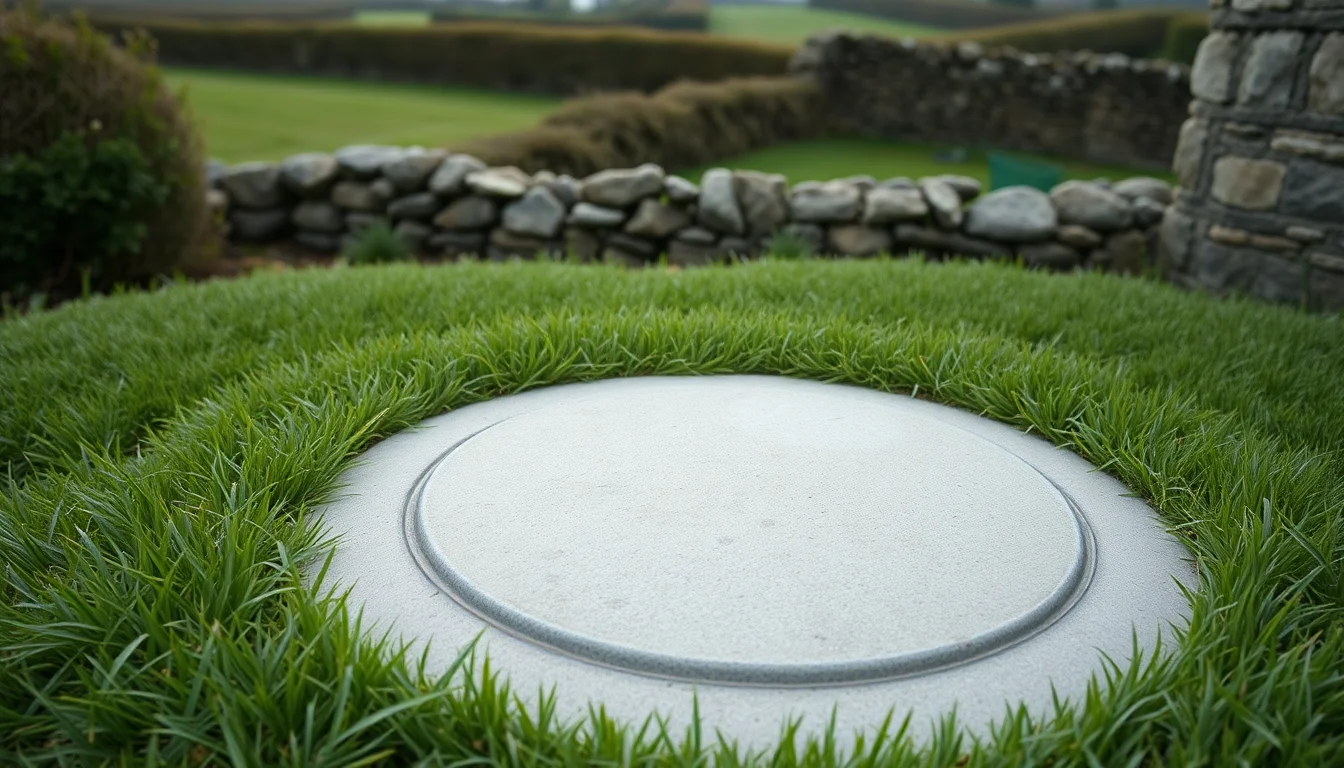
**Septic tank.** Most traditional septic tanks are two-chambered underground tanks — concrete, fibreglass or polyethylene — with one or two inspection covers set a short distance apart. There's no power supply running to it, and it shouldn't smell strongly unless it's overdue for desludging. The liquid outlet leads to a soakaway: a perforated pipe or gravel trench that lets the effluent disperse into the surrounding soil.
**Cesspit or cesspool.** A single, watertight chamber with an inspection cover and, crucially, no outlet pipe at all. Because nothing leaves the tank other than by emptying, it fills up relatively quickly and has to be pumped out on a regular schedule by a licensed waste carrier. A persistent sewage smell near the cover is the usual sign it's due.
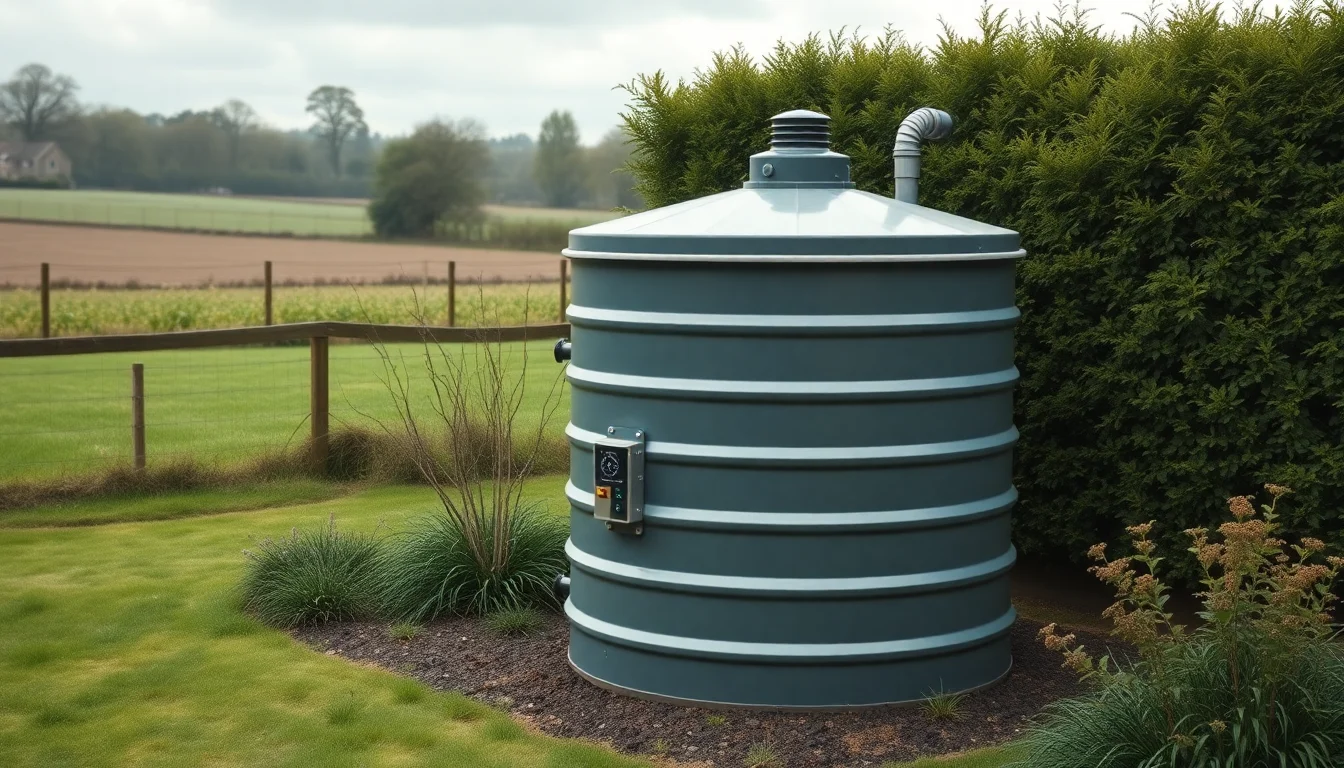
**Packaged treatment plant.** These tend to be larger, often cylindrical, and — the key giveaway — they have a power supply: a small control box, vent pipe, or an electrical conduit running to the unit. Inside, mechanical aerators or filter media treat the sewage biologically before it's discharged, so there's normally little to no odour when it's working properly, and desludging tends to be needed less often than with a cesspit.
Where each system is allowed to discharge
The Environment Agency's General Binding Rules for small sewage discharges set out where each type is allowed to send its effluent without needing a bespoke permit.
A septic tank's liquid effluent has to go to a soakaway that lets it percolate into the subsoil — direct discharge to a ditch, stream or river isn't permitted, because the effluent hasn't been treated enough to be safe for a watercourse. A cesspit, storing everything untreated, has only one lawful route: removal by a licensed waste carrier to an authorised treatment facility, with no discharge to ground or water at all. A packaged treatment plant that meets recognised performance standards can usually discharge to a soakaway, and in some circumstances — where the effluent is clean enough and the receiving watercourse has enough capacity — the rules also allow discharge to a watercourse. Our full guide to the General Binding Rules as they apply in Oxfordshire covers this in more detail.
Klargester and other packaged treatment plants
Klargester is a well-known UK manufacturer of packaged sewage treatment plants, and it's common to see a Klargester or similar unit on rural North Oxfordshire properties, particularly where the ground doesn't easily support a large soakaway. A typical service visit on one of these covers a visual check of the tank, covers and any external pipework for cracks or blockages; a check that the electrical and mechanical parts — pump, aerator, control panel — are working correctly; an assessment of sludge depth to see whether desludging is needed soon; and, where possible, a check of the effluent quality against what the General Binding Rules require for discharge. Servicing is generally advised annually, though the right interval depends on the size of the plant and how many people are using it.
Ground conditions around Banbury and why they matter
Whether a soakaway will actually work depends heavily on the ground it's sitting in, and North Oxfordshire's geology varies a fair amount across a fairly small area. Ironstone can be hard and relatively impermeable where it sits close to the surface. Limestone is often more permeable, though clay infill can reduce how well it drains. Clay itself — common in valleys and low-lying ground around Banbury — has a very low infiltration rate, meaning a standard gravel-filled soakaway can become waterlogged fairly quickly if it's relying on clay-heavy ground.
Where clay or ironstone dominates, a soakaway is more likely to struggle, which is one of the reasons a packaged treatment plant is sometimes the more practical choice on a rural North Oxfordshire plot than a traditional septic tank and soakaway combination. If you're not sure how your ground will perform, a site-specific percolation test is the way to find out, and that's something we can arrange as part of a proper septic system assessment — see our septic tank services page for the full range of what we cover, including installation, repair and diagnosis for both traditional tanks and packaged treatment plants.
Frequently asked questions
**Do you service Klargester tanks?** We don't run a scheduled servicing contract, but our engineers are experienced with Klargester and other packaged treatment plant brands. If you'd like the unit looked at, get in touch and we'll assess the tank, covers and pipework, check whether it's likely to meet the General Binding Rules, and carry out any repair work that's needed — coordinating desludging with a licensed waste carrier where that's required.
**What's the difference between a septic tank and a treatment plant?** A septic tank relies purely on gravity and settling — solids sink, fats float, and the relatively clear liquid in between flows out to a soakaway for further natural treatment in the soil. A treatment plant adds an active stage, usually aeration or mechanical mixing, that breaks down organic matter before the effluent leaves the unit. That makes the discharge cleaner, which is why treatment plants can sometimes discharge to a watercourse where a septic tank couldn't.
**How do I know which system my property actually has?** Start with what's visible: check whether there's a power supply or control box near any inspection covers (a sign of a treatment plant rather than a septic tank), and look for a single sealed chamber with no outlet pipe (a cesspit). If you're still not sure, a site visit will settle it — we'll locate the tank or plant, check for power, and trace the discharge pipe.
**Do I need permission to have a septic tank or treatment plant?** Small domestic systems that meet the Environment Agency's General Binding Rules generally don't need an individual permit, but discharges are still expected to be registered, and systems that don't meet the rules — particularly older ones discharging to a watercourse — may need either an upgrade or a specific permit. Our General Binding Rules guide sets this out in more detail.
If you'd like a clear picture of what's on your property, where it discharges, and whether it's likely to meet the rules, get in touch through the contact form and we'll arrange a site visit — useful for properties anywhere from Deddington to Shipston-on-Stour and the villages between.