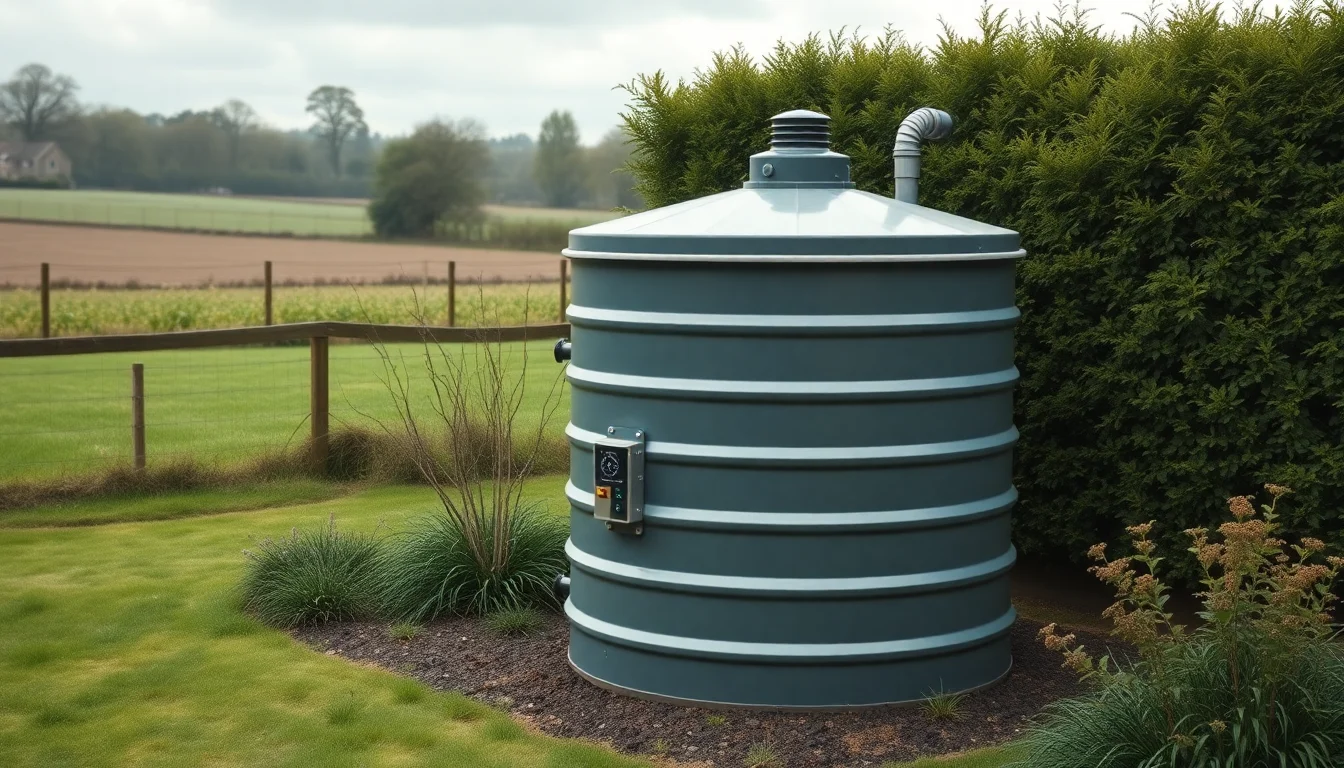
TL;DR
As a rule of thumb, a septic tank typically needs emptying somewhere in the region of every 3 to 5 years, but the real interval depends on tank size, how many people are using it, and whether the system is a traditional septic tank or a packaged treatment plant. Banbury Plumbing does not offer tanker emptying itself — for that you need a licensed waste carrier — but if you want a proper assessment of your system's condition and a realistic maintenance plan, you can get in touch through our contact form.
Banbury is on mains, but plenty of North Oxfordshire isn't
Banbury town centre sits on the mains sewer network, but step outside it and that changes quickly. A significant number of properties in the North Oxfordshire villages around Banbury — including parts of Deddington — rely on a septic tank, cesspool or small packaged treatment plant instead, simply because there's no mains connection nearby. The same is true a little further out, across the Warwickshire border around Shipston-on-Stour. A septic tank works by holding back solids while the liquid effluent flows out to a soakaway or drainage field. Solids build up gradually, reducing the tank's usable volume, so periodic emptying is what keeps the whole system working as intended.
What actually determines how often you need emptying
The 3-to-5-year figure that gets quoted is only a starting point. In practice, several things push the real interval up or down:
- **Tank capacity.** A larger tank simply takes longer to fill with settled solids than a smaller one serving the same household.
- **How many people live there.** More occupants means more wastewater and more solids going in day to day, so a busy family home will need emptying more often than a couple in a small cottage.
- **What type of system it is.** A conventional septic tank retains solids passively. A packaged treatment plant adds an active stage — aeration or mechanical mixing — that breaks waste down further, which can sometimes extend the interval between empties.
- **Household habits.** Washing fat, oil and grease down the sink, or flushing wet wipes and sanitary products that shouldn't go into the system at all, makes solids build up faster than normal use would suggest.
Because these factors interact, a fixed calendar reminder is a reasonable starting point, but it's not a substitute for actually checking the tank. That's where an assessment earns its keep rather than guessing.
Warning signs your tank is overdue
Whatever the schedule says, watch out for these signs that a tank has already gone past its limit:
- Slow drainage throughout the house, particularly if more than one fixture is affected at once.
- Gurgling from drains or toilets when water is running elsewhere in the property.
- A persistent bad smell near the tank, its inspection covers, or the drainage field.
- Wet patches, or unusually lush and green grass, over the area where the soakaway sits.
- Effluent visibly pooling around the tank lid or inspection points.
If you spot any of these, the priority is getting the tank emptied by a licensed waste carrier promptly, then having the system checked over in case the delay has caused any damage.
Why an overdue emptying is different from a soakaway failure — and why the distinction matters
A tank's job is to hold back solids so only relatively clear liquid reaches the soakaway. When a tank is left too full, solids start escaping into the outlet pipe and travelling into the drainage field itself. That causes two separate problems: the field's soil or gravel gets clogged by material it was never designed to filter, and it can end up receiving more liquid than it's able to disperse, leading to ponding or effluent backing up.
This distinction matters because a tank that simply needs emptying is a straightforward, low-cost piece of routine maintenance. A drainage field that's been damaged by prolonged neglect is a different order of problem — it can mean digging up and replacing the soakaway, or in some cases installing a new treatment plant altogether. Staying on top of emptying protects the far more expensive part of the system.
What Banbury Plumbing can actually help with
To be clear from the outset: Banbury Plumbing does not carry out tanker emptying. That job has to be done by a licensed waste carrier, who removes and legally disposes of the sludge. What we do instead is everything around that — the parts of septic system care that keep the installation itself sound and compliant:
- Installing new septic tanks or packaged treatment plants, sized and positioned correctly for the ground they're going into.
- Repairing inlet and outlet baffles, tank lids, pipework and drainage field components.
- Diagnosing problems with CCTV surveys where needed, to identify blockages, cracks or root ingress before recommending work.
- Assessing systems against the Environment Agency's General Binding Rules for small sewage discharges — see our full guide to the rules as they apply in Oxfordshire — and advising on what a sale or upgrade might require.
That coverage extends across the rural communities around Banbury, including Deddington and the surrounding villages, as well as the neighbouring Warwickshire countryside around Shipston-on-Stour, where off-mains systems are the norm rather than the exception.
Frequently asked questions
**Do you empty septic tanks?** No. We don't hold a waste carrier licence and don't operate a tanker, so we don't do the pumping itself. A licensed waste carrier handles emptying. What we do instead is inspect the tank, advise on a realistic emptying schedule based on your specific system, and carry out any repair or compliance work the tank or soakaway needs.
**What happens if I don't empty it?** If a septic tank is left to overfill, solids start passing into the drainage field rather than staying in the tank where they belong. That can clog the soakaway, cause bad smells, leave the ground around it permanently soggy, and eventually mean the field itself needs digging up and replacing — a far bigger job than routine emptying would ever have been.
**How do I know if my system needs emptying now rather than later?** The most reliable way is a physical check of the sludge level rather than guessing from the calendar. If you're seeing slow drainage, gurgling, smells or standing water near the tank, treat that as an overdue signal and arrange emptying rather than waiting for the "usual" interval to come round.
**Does an overfull septic tank cause the same problem as a soakaway failure?** They're related but not identical. An overfull tank is what typically causes a soakaway failure over time, by letting solids escape into ground that was only ever meant to handle liquid. Catching the tank problem early is what stops it turning into the more expensive soakaway problem.